5515 N Post Rd, Indianapolis, IN, 46216Mon-Sun: 7:00 AM - 7:00 PM
Indianapolis Commercial Roof Masters Commercial Roofing Contractor in Indianapolis, IN work in Indianapolis, IN
Commercial Roofing · Indianapolis, IN

Commercial Roofing Contractor in Indianapolis, IN Built for Hail, Ice & Heat

Indianapolis is hard on low-slope roofs. A black membrane can bake well past 150°F in July, then sit at single digits in January. Dozens of freeze-thaw cycles every winter work water into open laps and cracked coping, and spring storms can drop an inch of rain in an hour on a roof that's dead flat. Then a hailstorm crushes the insulation under a membrane that still looks fine. Indianapolis Commercial Roof Masters installs, repairs and maintains commercial roofs for building owners and facility managers who want straight answers. Every job starts with a core sample and a written scope.

We work on TPO and EPDM single-ply, built-up and modified bitumen, metal retrofits, restoration coatings and drainage corrections, all across Marion County and the surrounding suburbs. That includes 1960s strip centers on Washington Street in Cumberland, masonry buildings with parapets in Beech Grove, and big TPO warehouse roofs along the Plainfield logistics corridor. Our crews put safety first and phase the work so your tenants, students and 24/7 operations keep running. You'll know the budget before any work starts.

  • Bonded and insured commercial roofing contractor
  • Core sample inspection before every project
  • Written scope and clear, itemized budget
  • Phased schedules that keep your business open
  • Financing available for qualified projects
  • Serving a 20-mile radius around Indianapolis
Inspection tag · Indianapolis

Inspection request

No obligation. Fast, honest quotes.

🔒 Your information is never shared.

Why a local roofer

Why Indianapolis Commercial Buildings Need a Specialized Roofing Contractor

Central Indiana combines four things that wear out commercial roofs quickly: big temperature swings, heavy spring rain, regular hail, and a lot of aging flat roofs. Add more than a dozen permitting jurisdictions and the result is a market where local experience saves real money.

Factor 01

Climate: Freeze-Thaw, Spring Deluges and Hail Alley Edges

Indianapolis has a humid continental climate. Summer highs average in the mid-80s, and January lows sit in the upper teens to low 20s, with cold snaps below zero. Dark EPDM and mod-bit surfaces get far hotter than the air, so membranes, seams and metal flashings expand and contract by a wide margin every year. Most of the roughly 40–45 inches of annual precipitation comes in hard April–June bursts, and those quickly overwhelm clogged scuppers and undersized internal drains. About 25 inches of snow arrives in small rounds, and the freezing and thawing between them pushes water into every weak lap. Derechos like the ones in June 2012 and 2022 peel membrane edges and lift coping. Hail hits Marion and the collar counties year after year, and it often fractures insulation boards where you can't see the damage from the surface.

Factor 02

Built Environment: A Century of Roof Types in One Metro

Downtown and the Mile Square still have early-1900s masonry buildings with parapets, internal drains and several old roofs stacked on top of each other. Corridors like Keystone Ave, Lafayette Rd, Madison Ave, Emerson Ave and 38th Street are lined with 1950s–70s strip centers and light-industrial buildings that originally had tar-and-gravel BUR, and many are on their second or third roof now. The 1980s–2000s office parks, churches and schools in Castleton, Keystone at the Crossing, Carmel and Greenwood have EPDM and modified bitumen that's reaching end of life. Then there are the warehouses. Plainfield/AllPoints, Whitestown, Brownsburg, Greenwood and the Mt. Comfort I-70 corridor have hundreds of thousands to more than a million square feet of TPO or standing-seam metal per building, usually covered in RTUs.

Factor 03

Codes, Permits and Historic Review

Indiana enforces the Indiana Building Code, which is IBC-based with state amendments, along with the Indiana Energy Conservation Code. On a reroof that usually means adding insulation to meet current R-value requirements, and that can change curb heights, parapet flashing and edge details. The code allows only one recover layer. A roof that already has two layers, or one that's wet or deteriorated, has to be torn off. Indianapolis permits go through the Department of Business and Neighborhood Services (BNS), and Carmel, Fishers, Greenwood, Plainfield, Avon, Speedway and other suburbs each run their own review. If you're in Lockerbie Square, Fletcher Place, Fountain Square or Irvington, coping and cornice work that's visible from the street may need an IHPC Certificate of Appropriateness. Downtown crane lifts usually need a DPW right-of-way permit. Wind-uplift attachment follows ASCE 7, and FM Global requirements apply when your insurer specifies them.

Factor 04

Market Reality: Owners Who Need Proof, Not Promises

Buyers here include REITs, 3PL operators, school districts, healthcare systems, churches and out-of-town portfolio owners. They want photos, moisture data and itemized proposals they can take to an asset committee or an insurance adjuster. After every big hail or derecho event, out-of-state storm chasers show up, sign contracts, and leave owners with warranties nobody will honor. A local, bonded and insured contractor that documents the work and is still answering the phone a few years later is worth a lot in this market.

Services

Commercial Roofing Services in Indianapolis

We cover every major low-slope and steep-slope system you'll find on a commercial property in Central Indiana. Each recommendation is based on core samples and what we actually find on your roof, not on what's easiest to sell. Repair, restoration, recover and replacement are all on the table, and we lay out the costs so you can compare them side by side.

Featured service

Flat Roof Systems: TPO, EPDM & Flat Roof Replacement

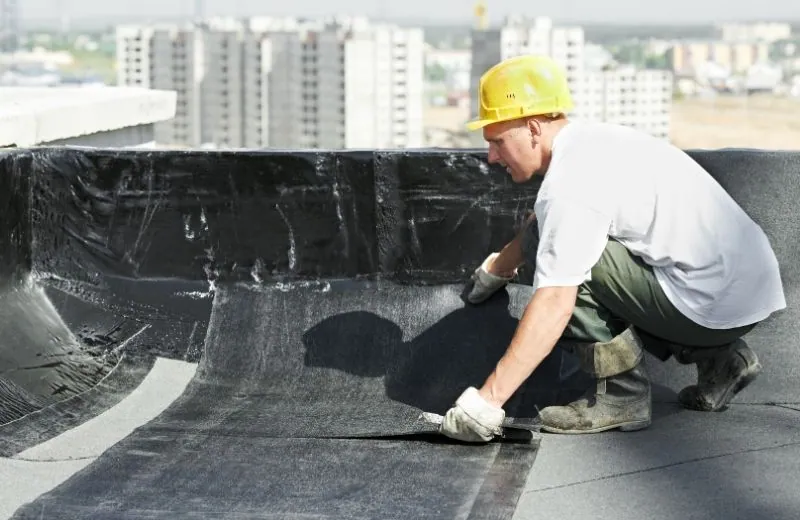
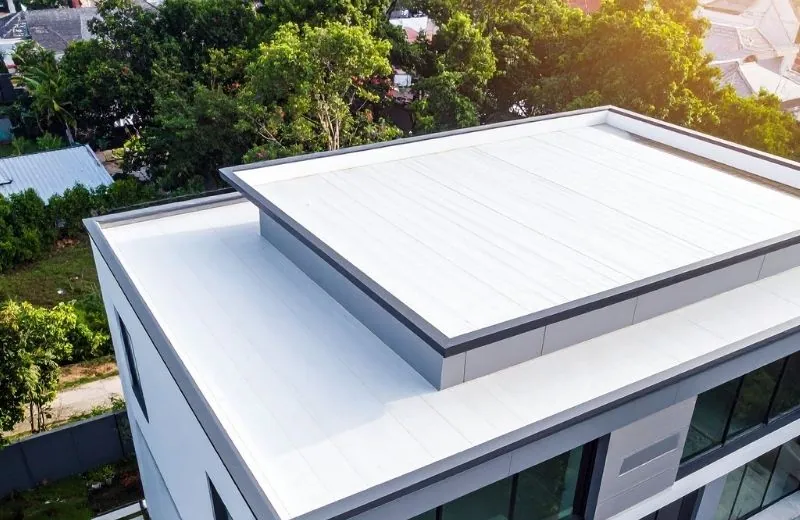
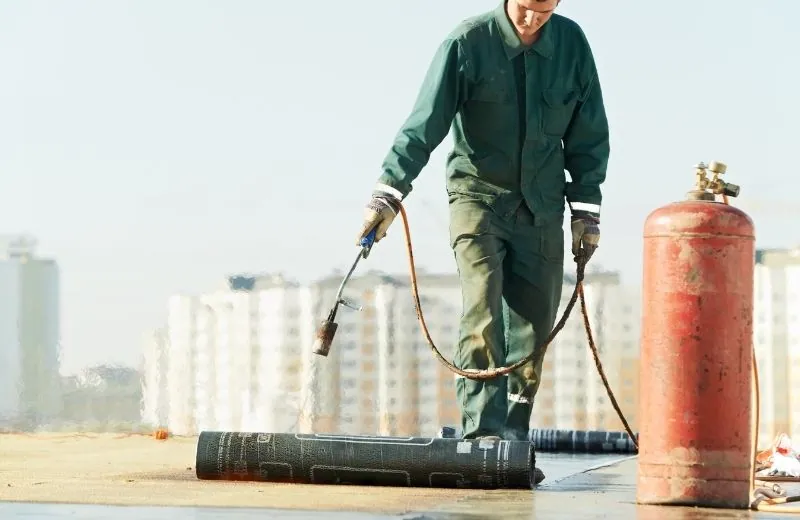
We install, repair and replace single-ply TPO and EPDM, along with built-up and SBS modified bitumen systems, on warehouses, offices, schools, churches and retail buildings.

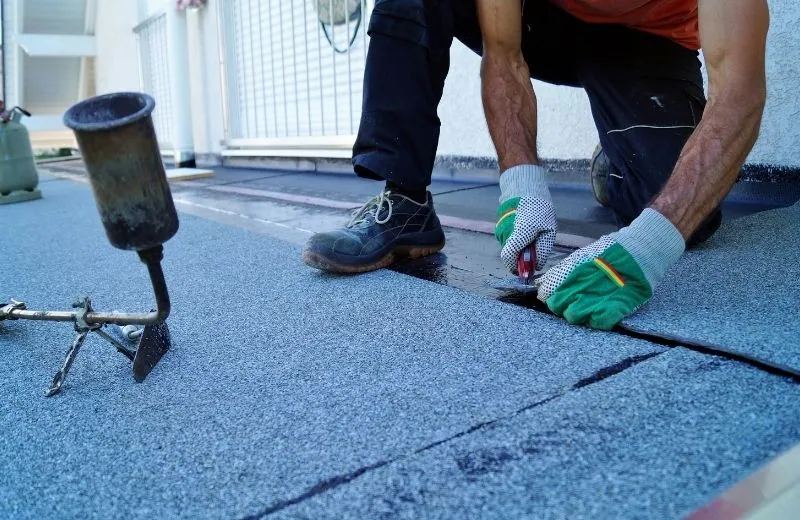
How we do it: Mechanically attached, fully adhered or induction-welded TPO; adhered EPDM with fresh seam tape; tapered insulation to correct ponding; heat-welded seams tested with a probe. Insulation is brought up to Indiana energy code on every reroof.

Locally: TPO is now the standard for new logistics buildings in Plainfield, Brownsburg and Mt. Comfort. EPDM roofs from the 1990s in Castleton and Greenwood are reaching end of life. We'll tell you whether a recover is still allowed or a tear-off is required.

Best for: Low-slope buildings with failing BUR or EPDM, chronic ponding, or hail-fractured insulation, and owners who want a long-term warranty-backed system.

Get a quote →
Featured service

Roof Restoration, Coatings & Waterproofing

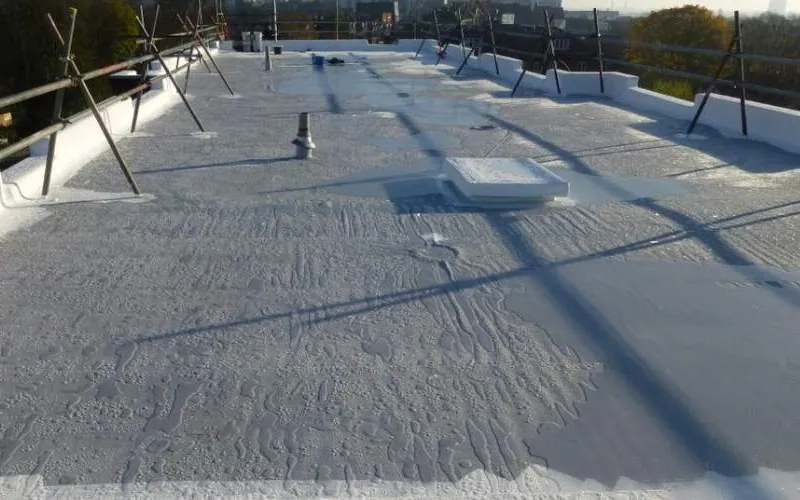
We apply silicone and acrylic restoration coatings and waterproofing that extend the life of a sound existing roof without a tear-off, so your operation keeps running.

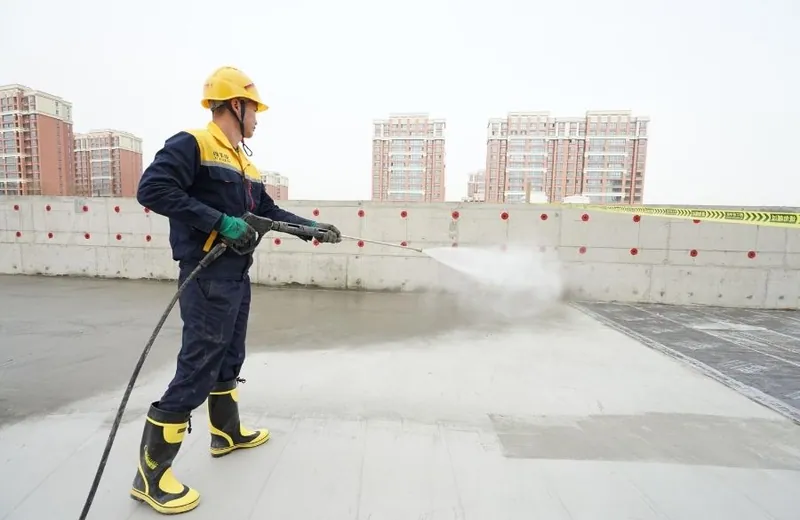
How we do it: We start with a moisture survey, remove any wet insulation, and power wash the surface. Then we reinforce seams and penetrations, prime as needed, and apply the coating at the mil thickness the manufacturer specifies. Adhesion tests confirm compatibility first.

Locally: Big TPO and metal warehouse roofs in Plainfield, Whiteland and the I-70 corridor often get the best return from restoration. You avoid tear-off cost, keep debris away from product, and stay within code limits on recover layers.

Best for: Roofs that are mostly dry with seams in decent shape, and owners trying to defer a large capital replacement.

Get a quote →
Service 03

Commercial Roof Repair, Leak Detection & Patching

We cover general roof repair, commercial roof repair, roof leak detection and repair, roof patching, roof damage repair and skylight leak repair on any commercial system.

How we do it: We trace leaks with water testing, moisture meters and infrared scans, then patch with materials compatible with your existing system. We don't smear mastic over the problem, and every repair is photographed.

Locally: Spring storms flood Indianapolis schools, clinics and restaurants with leak calls. Finding the real entry point, which is usually a pitch pan, lap or coping joint, keeps you from paying for the same leak twice.

Best for: Active leaks, storm damage, skylight drips, and roofs with plenty of service life left.

Get a quote →
Service 04

Roof Replacement & New Roof Installation

We handle full commercial roof replacement and new installation, including winter roof replacement when conditions allow, from tear-off through final inspection.

How we do it: We start with core samples and a deck evaluation, then complete the tear-off, insulation upgrades, uplift-rated attachment, and new flashing and edge metal. Work is phased roof section by roof section, and the roof is dried in every night.

Locally: Mid-century buildings on Keystone, Lafayette Road and 38th Street often already have two layers, which means tear-off is required. We handle permits with Indianapolis BNS or your suburb's building department.

Best for: Roofs at end of life, roofs with saturated insulation, or anything that has used up its single allowed recover layer.

Get a quote →
Service 05

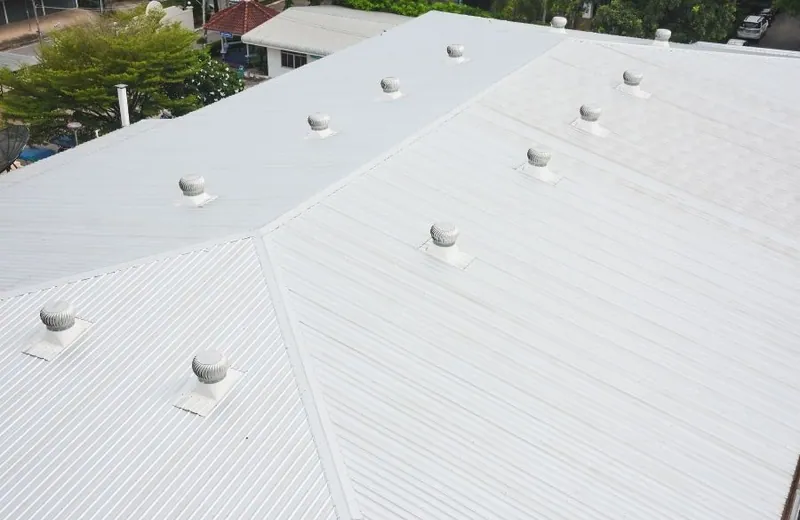
Metal Roofing: Standing Seam, Steel & Corrugated

We handle metal roof installation, standing seam metal roofs, steel roofing, corrugated metal roofing and metal roof repair for commercial and industrial buildings.

How we do it: Concealed-clip standing-seam systems, retrofit framing over old panels, fastener replacement, lap sealing and hail-dent assessment.

Locally: Pre-engineered metal buildings in Park 100, Lawrence and Mooresville are good candidates for a standing-seam retrofit that ends the cycle of rusting exposed fasteners.

Best for: Metal buildings, sloped retrofits over flat roofs, and owners who want a long service life.

Get a quote →
Service 06

Roof Inspection & Maintenance Programs

We provide scheduled roof inspection and roof maintenance with written asset reports, photos and budget forecasts.

How we do it: Spring and fall walkthroughs, post-storm checks, drain clearing, sealant renewal, and documentation for manufacturer warranty compliance.

Locally: Inspections in spring after the freeze-thaw season and in fall before snow catch most problems while they're still small. That's useful for portfolio and out-of-town owners who can't get up on the roof themselves.

Best for: REITs, property managers, school districts and anyone who needs to protect an existing warranty.

Get a quote →
Service 07

Emergency Roof Repair & Tarping

We provide emergency roof repair, emergency roof tarping and roof tarp installation to stop water intrusion fast.

How we do it: Temporary membrane patches, secured tarps, and edge securement, plus photo documentation for your insurance claim.

Locally: When derechos or spring hail hit Speedway, Lawrence or Greenwood, a quick dry-in protects inventory, medical equipment and tenant spaces.

Best for: Storm blow-offs, active leaks over occupied spaces, and fallen-tree damage.

Get a quote →
Service 08

Roof Flashing & Edge Metal

We install roof flashing, roof drip edge flashing, flashing for metal roofs, and steel roof flashing, including coping and counterflashing.

How we do it: Custom-bent coping, reglet counterflashing, and edge systems rated for wind uplift.

Locally: Flashing is the most common failure point on parapet buildings in Fletcher Place and the Mile Square. Some street-visible work there needs IHPC approval.

Best for: Leaks at walls, parapets, curbs and roof edges.

Get a quote →
Service 09

Winter Roof & Ice Dam Services

Our winter services include roof ice removal, roof snow removal, professional ice dam removal, gutter ice removal, heat cable and heat tape installation, ice dam leak repair, winter roof leak repair, and repair of water damage from ice dams.

How we do it: Ice removal that won't damage the membrane, drain clearing, self-regulating heat cable, and cold-weather-rated repair materials.

Locally: Repeated rounds of snow and ice storms cap drains and load parapet drifts on roofs across Zionsville, Fishers and downtown.

Best for: Frozen drains, drift loads, and leaks during winter thaws.

Get a quote →
Service 10

Specialty Roofing: Slate, Tile & Copper

We handle slate roof installation, tile roofing and copper roofing on churches, institutions and historic commercial buildings.

How we do it: Traditional fastening, copper flashing and valleys, and careful matching of existing material.

Locally: These materials are common on older churches and on historic buildings in Irvington, Old Northside and Lockerbie Square.

Best for: Historic, institutional and architectural roofs.

Get a quote →
Service 11

Ventilation, Soffit & Fascia, Gutter Guards

We install roof ventilation, soffit and fascia, and gutter guards to protect roof assemblies and drainage.

How we do it: We balance intake and exhaust airflow, install aluminum soffit and fascia, and use guard systems sized for commercial gutters.

Locally: Indianapolis summers are humid enough to cause condensation in poorly vented assemblies. Gutter guards keep fall leaves from clogging drainage before winter.

Best for: Sloped commercial sections, condensation problems, and clog-prone gutters.

Get a quote →
Common problems

Common Commercial Roof Problems We See Around Indianapolis

Most commercial roof failures in Central Indiana come from a handful of predictable causes, and the weather makes each one worse. Here's what we find most often on Marion County and suburban roofs, why it keeps happening here, and the warning signs facility teams can watch for between inspections.

Indianapolis Commercial Roof Masters Commercial Roofing Contractor in Indianapolis, IN project in Indianapolis, IN (2)
Hidden Hail Damage to Membranes and InsulationSerious

Hail bruises single-ply membranes and crushes or fractures the insulation and cover board underneath. From the surface, the roof often looks intact. Below it, the facer bond is broken, the membrane is stressed, and it's waiting for the next freeze-thaw cycle to split it open.

Why it's common: Hail moves through Marion, Hamilton, Hendricks and Johnson counties every year, mostly between March and June when severe-weather watches are routine. A lot of warehouse and office-park roofs use thin TPO over polyiso with no cover board, and that assembly is the most vulnerable to fractures. Indiana insurers expect a documented date of loss and timely reporting, so owners who wait until a leak finally shows up can lose coverage they were entitled to.

Signs to look for:

  • Dents on metal coping, RTU housings or downspouts
  • Soft or spongy spots when walking the membrane
  • Circular bruises or star cracks in the membrane
  • Granule loss on mod-bit cap sheets
  • New leaks weeks or months after a storm
  • Hail damage reported on nearby vehicles or neighboring roofs

Locally: We see it most often on large TPO warehouse roofs in Plainfield, Brownsburg and Greenwood, and on 1990s office parks around Castleton and Keystone at the Crossing. On those big open roofs, one storm cell can damage several hundred thousand square feet at once.

Our fix: We do core cuts and a moisture or infrared survey, document everything with photos and a claim-ready report, then make targeted repairs or plan a replacement based on how widespread the damage is.

Ponding Water on Dead-Flat RoofsModerate

Ponding is water that's still sitting on a roof 48 hours after rain stops. It adds a lot of weight, speeds up membrane aging, feeds algae, and finds its way into any open seam. In winter it freezes and pushes laps and flashings apart.

Why it's common: A lot of the mid-century strip centers and masonry buildings in Indianapolis were framed dead-flat, with no tapered insulation. Decks sag over time, and leaves or debris clog internal drains and scuppers. Spring convective storms can drop far more rain in a short time than older drainage was designed to handle. Freeze-thaw cycles then turn standing water into ice that splits seams.

Signs to look for:

  • Dirt rings or sediment outlines on the membrane
  • Algae or vegetation growing on the roof
  • Water still standing two days after rain
  • Sagging deck areas or deflected joists inside
  • Ice sheets on the roof in winter
  • Leaks below low spots near interior columns

Locally: It's common on 1960s–70s strip centers along Washington Street, Emerson Avenue and Madison Avenue, on Mile Square masonry buildings with internal drains, and on church additions where a newer flat roof was tied into an older building.

Our fix: We correct the slope with tapered insulation or crickets, clear and resize the drains or add overflow scuppers, then repair or recover the membrane so water actually leaves the roof.

Failed Seams and Perimeter FlashingSerious

Seams, laps and perimeter flashing are the joints in a roof system, and they're where most leaks start. Thermal movement loosens termination bars, splits EPDM seam tape, and pulls counterflashing away from parapet walls.

Why it's common: Roof surfaces in Indianapolis can swing well over 100°F between summer and winter. Every season of expansion and contraction stresses adhesive seams, especially on 1980s–90s EPDM where the original seam tape or adhesive has dried out. Derecho winds then go after any perimeter that's already loose and peel it back.

Signs to look for:

  • Open or fish-mouthed laps
  • Counterflashing pulled away from masonry
  • Loose or lifted metal coping caps
  • Leaks along exterior walls
  • Wrinkled membrane at parapet base
  • Sealant cracked or missing at terminations

Locally: We find this all the time on aging EPDM over schools, churches and medical offices in Lawrence, Carmel and Greenwood, and on parapet-heavy older buildings downtown and in Fountain Square.

Our fix: We re-seam with compatible primers and cover strips, reset or replace termination bars and counterflashing, and install new coping that meets wind-uplift requirements.

RTU Penetration and Pitch Pan LeaksModerate

Rooftop HVAC units, gas lines and conduit all pass through the roof. Pitch pans dry out, curb flashings crack, and service technicians walking the roof puncture the membrane around the equipment.

Why it's common: Retail, medical, restaurant and warehouse buildings around Indianapolis carry a lot of rooftop equipment. HVAC crews are up there several times a year for summer cooling and winter heating service. Every visit adds foot traffic, dropped screws and panel edges set down on the membrane, and the shrink-swell cycle keeps working pitch-pan filler loose.

Signs to look for:

  • Ceiling stains near HVAC diffusers
  • Empty or cracked pitch pans
  • Screws and debris around units
  • Rust at curb bases
  • Leaks only during certain wind-driven rains
  • Worn paths in the membrane around RTUs

Locally: It's especially common in strip centers in Southport and Avon, restaurant pads along US-31 in Carmel, and distribution centers on the Mt. Comfort corridor where dozens of RTUs sit on a single roof.

Our fix: We replace pitch pans with prefabricated sealed boots, re-flash the curbs, and add walkway pads so service traffic doesn't wear through the membrane.

Ice Dams and Frozen DrainsModerate

Ice builds up at gutters, scuppers and internal drains and blocks the water from melting snow. That water backs up under flashings, into wall cavities, or over the parapet, which leads to interior leaks and extra structural load.

Why it's common: Central Indiana's snow comes in repeated small rounds with freeze-thaw cycles in between, plus occasional ice storms. Heat escaping from under-insulated older buildings melts snow during the day, and it refreezes at cold edges overnight. Drifts collect against parapets and RTUs and hold even more meltwater against vulnerable details.

Signs to look for:

  • Icicles along gutters or scuppers
  • Drains capped with ice
  • Water stains on interior walls in winter
  • Snow drifts piled against parapets
  • Gutters pulling away from fascia
  • Leaks that show up during thaws

Locally: We see it on older masonry and mixed-use buildings in Broad Ripple and Irvington, on sloped-roof sections of churches and offices in Zionsville and Fishers, and on warehouse gutters along the I-74 corridor.

Our fix: We safely remove ice and snow, clear the drains, install heat cable where it makes sense, and fix the insulation and ventilation problems that cause the dams in the first place.

Wind and Storm Blow-OffEmergency

High winds lift membrane edges, metal coping and panels, and sometimes peel back whole sections of roof. Once the edge lets go, rain gets straight into the building.

Why it's common: Indianapolis sits at the edge of the Midwest severe-weather corridor. Straight-line wind events like the 2012 and 2022 derechos, along with tornado-warned storms between March and June, put enormous uplift on roof edges. A lot of older roofs went on before current ASCE 7 attachment standards, so their perimeters are under-fastened.

Signs to look for:

  • Membrane edges flapping or lifted
  • Coping or edge metal missing
  • Exposed insulation boards
  • Debris piled at the roof perimeter
  • Water pouring in during a storm
  • Damaged RTU curbs

Locally: Large exposed roofs in the Plainfield/AllPoints corridor, Park 100 near Eagle Creek, and Speedway's hospitality and motorsports buildings take the brunt of straight-line winds coming across open ground.

Our fix: We do emergency tarping and temporary securement right away, document the damage for your insurer, then rebuild the edge with uplift-rated attachment.

Rusted Through-Fastened Metal PanelsMinor

On older pre-engineered metal buildings, the exposed fasteners lose their washers, the panel laps corrode, and rust eventually eats through the steel. The result is pinhole leaks and fasteners backing out.

Why it's common: Indianapolis's humid summers and road salt carried on winter air speed up corrosion. Daily thermal movement works exposed screws loose. Plenty of 1980s–90s light-industrial and agricultural-style buildings around the metro still have their original corrugated or R-panel roofs.

Signs to look for:

  • Rust streaks at laps and fasteners
  • Backed-out or loose screws
  • Daylight visible through panels
  • Drips along purlins
  • Dented panels from hail
  • Failed sealant at end laps

Locally: Common on light-industrial buildings in Park 100, in Mooresville and Camby, and on older shop and warehouse buildings near Lawrence and Fort Benjamin Harrison.

Our fix: We replace fasteners, seal the laps, treat rust, and apply a restoration coating. When corrosion is too far along, we install a standing-seam or new steel panel retrofit.

How it works

How Our Commercial Roofing Process Works

Five clear steps, from the first call through warranty handoff. You'll get documentation at every stage and a schedule built around how your building actually runs.

1

Site Visit & Core Sample Inspection

Usually scheduled within a few business days; same-day for emergencies
  • Walk the roof and interior to log leaks, drains, RTUs and flashing
  • Cut core samples to identify layers, insulation and moisture
  • Run infrared or moisture scans where hail or saturation is suspected
  • Photograph conditions for your records or your insurer

Locally: After hailstorms, we prioritize documentation so you can meet Indiana insurance reporting deadlines.

2

Written Scope & Clear Budget

Typically delivered within 1 week of inspection
  • Lay out repair, restoration, recover and replacement options side by side
  • Itemize materials, insulation upgrades and code-driven costs
  • Flag permit, IHPC or landlord approval requirements
  • Review financing options if needed

Locally: We'll tell you right away if the one-recover-layer limit or an energy-code insulation upgrade affects your price.

3

Permits, Approvals & Scheduling

1–4 weeks depending on jurisdiction
  • Submit permits to Indianapolis BNS or your suburb's building department
  • Coordinate DPW right-of-way permits for downtown crane lifts
  • Build a phased schedule around tenants, shifts or school calendars
  • Order materials and confirm weather windows

Locally: Carmel and Fishers reviews can take longer, and cold weather limits adhesive work part of the winter, so book spring and summer projects early.

4

Safe, Phased Installation

Days for repairs; weeks for large replacements
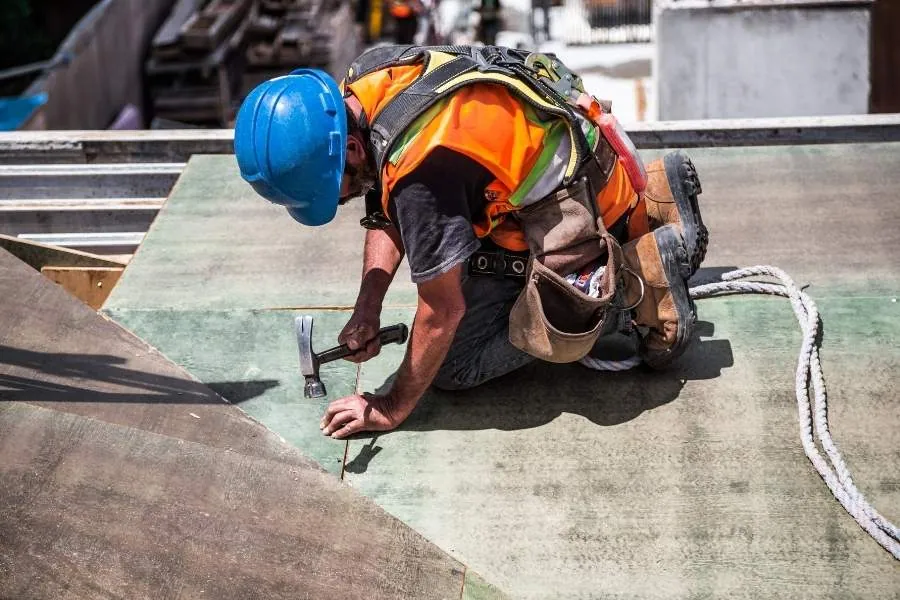
  • Set up OSHA-compliant fall protection and protect the site
  • Tear off and dry in each section the same day
  • Install insulation, membrane, flashing and edge metal
  • Keep debris away from inventory, entrances and parking

Locally: On 24/7 warehouses in Plainfield or Greenwood, we work in zones so dock operations keep moving.

5

Final Walkthrough & Documentation

At completion, plus ongoing maintenance if you choose
  • Inspect seams, flashings and drains with you or your facility manager
  • Deliver a photo closeout report and warranty paperwork
  • Close out permits and inspections
  • Recommend a maintenance schedule

Locally: Spring and fall checkups protect your warranty through Indianapolis freeze-thaw and storm seasons.

Why choose us

Why Indianapolis Building Owners Choose Us

Local Expertise in Central Indiana Roofs

We work on Indianapolis roofs because this is where we are, not because a hailstorm passed through. We know which buildings on Keystone and Washington Street are on their third roof, how Plainfield warehouses handle wind uplift, and why Mile Square parapets leak at the coping. That local knowledge shapes every recommendation. We plan for freeze-thaw, design drainage for spring cloudbursts, and choose details that will hold up to the next derecho. When your asset manager asks why one approach beats another, you'll have a specific answer tied to how Central Indiana weather actually treats roofs.

Bonded and Insured for Your Protection

Indiana doesn't have a statewide roofing license, so bonding and insurance carry a lot of weight. Indianapolis Commercial Roof Masters is bonded and insured, and that protects you, your tenants and your property if something unexpected happens on the job. We're glad to send certificates to your property manager, landlord or risk department before work begins. Many REITs, school districts and healthcare systems require that paperwork upfront, and we make it easy to collect. It's also a big part of what separates us from the out-of-state crews that show up after every storm.

Every Project Starts With a Core Sample

Surface walkthroughs miss things. Hail-fractured insulation, wet boards under a dry-looking membrane, and buried second or third layers only show up when you cut into the roof. That's why every project starts with a core sample inspection. It tells us whether recover is still legal, whether restoration will hold, and how much wet material has to come out. You get a recommendation based on what's actually in your roof assembly, and you won't be hit with mid-project change orders for problems a core cut would have caught.

Commercial Low-Slope Specialization

Commercial roofing is our core business. TPO, EPDM, built-up, modified bitumen, metal retrofits, coatings and drainage correction are the systems we work on every day. That focus matters on the details that decide whether a commercial roof lasts, like heat-welded seam probing, tapered insulation layouts, pitch pan replacement and coping attachment. Facility managers get a contractor who understands RTU-heavy roofs, energy-code insulation requirements, and how manufacturer warranties are actually administered and maintained.

Transparent, Written Budgets

Midwestern owners like straight talk, and so do we. Every proposal includes a written scope with itemized costs, so you can see what goes to tear-off, insulation, membrane, flashing and code-driven upgrades. When repair, restoration and replacement are all reasonable options, we price them side by side and explain the tradeoffs in lifespan and total cost of ownership. Financing is available for qualified projects, which helps owners handle urgent replacements without draining their capital reserves.

Phased Schedules That Keep You Open

Your building has to keep working while we're on the roof, whether that's a distribution center, a school, a church or a medical office. We phase projects by roof section, dry in each area before the end of the day, and plan noisy or disruptive work around your shifts, services or class schedules. Debris stays away from product, patients and customers. Our safety-focused crews follow OSHA fall protection requirements on every low-slope job, so you don't have to worry about liability while your business keeps running.

Fast Storm and Emergency Response

When a spring storm tears off a membrane edge or a frozen drain sends water through a ceiling, you need someone on the roof quickly. We provide emergency roof repair and tarping across our 20-mile service area, and we photograph everything so your insurance claim is supported from the start. Once the building is secure, we come back with a full inspection and a written plan for permanent repairs.

A Commercial Roofing Contractor You Can Verify

Indianapolis facility managers, property owners and asset managers rely on us for honest core-sample findings, written budgets and crews that keep their buildings running during the work.

  • Bonded & Insured
  • Financing Available
  • Bonded
  • Insured
  • Financing available
Service areas

Commercial Roofing Service Areas Around Indianapolis

We serve commercial properties within a 20-mile radius of Indianapolis, from Mile Square masonry buildings to suburban office parks and interstate logistics hubs. Each community has its own permitting office and building stock, and we work with all of them.

We serve properties within roughly 20 miles of Indianapolis. If your building is near the edge of that radius, contact us and we'll confirm coverage.

Indianapolis & Marion County Core

  • IndianapolisDowntown masonry, mid-century corridors, Castleton and Park 100
  • Beech GroveOlder parapet buildings and Main Street commercial
  • SpeedwayMotorsports, hospitality and light industrial near IMS
  • LawrenceFort Benjamin Harrison area offices and metal buildings
  • CumberlandUS-40 strip centers with aging built-up roofs

West Side & Hendricks/Morgan Counties

  • PlainfieldAllPoints and airport logistics corridor warehouses
  • AvonUS-36 retail, medical and school facilities
  • BrownsburgI-74 distribution and suburban commercial
  • CambyLight industrial and agricultural-style metal buildings
  • MooresvilleSmall-town commercial and pre-engineered metal

South Side & Johnson County

  • SouthportI-65 and County Line Road retail centers
  • GreenwoodBig-box retail, offices and I-65 warehouses
  • WhitelandNewer I-65 logistics buildings with big TPO roofs

North & East Suburbs

  • CarmelMeridian Street/US-31 offices with strict permit review
  • FishersI-69 and 116th Street commercial growth
  • ZionsvilleVillage commercial, churches and office buildings
  • McCordsvilleMt. Comfort I-70 corridor distribution
  • New PalestineHancock County schools and commercial buildings
Pricing guide

What Does Commercial Roofing Cost in Indianapolis?

Commercial roofing costs in Indianapolis depend mostly on what's already on your roof and what the code requires once it comes off. Here are the factors that move the price most, plus realistic ranges for typical Central Indiana projects.

Estimate sheetIndianapolis, IN
Line itemWhat's includedTypical range
Leak repair at RTU curbs and pitch pansStrip center in Southport, EPDM roof, 3–4 failed penetrations replaced with sealed boots plus walkway pads$1,200 – $4,500
Emergency tarping after wind damageOffice building in Lawrence, peeled membrane edge and lifted coping, temporary dry-in with photo documentation$1,500 – $6,000
Tear-off and TPO replacement20,000 sq ft mid-century building on Washington St, two existing BUR layers, tapered insulation to code, new coping$190,000 – $310,000
Silicone restoration of warehouse roof100,000 sq ft TPO distribution building in Plainfield, wet-area replacement, seam reinforcement, silicone coating$275,000 – $500,000
Cost factorHow it affects your price
Existing Layers & Tear-OffPrimary FactorCode allows only one recover layer. If your roof already has two, or the existing roof is wet, everything comes off down to the deck. Tear-off of old gravel-surfaced BUR on mid-century Indianapolis buildings is heavy and slow, and disposal adds to the cost. Core samples tell us early whether we're pricing a recover or a full tear-off, and that difference alone can shift the budget by several dollars per square foot.
Insulation & Energy-Code UpgradesPrimary FactorThe Indiana Energy Conservation Code requires bringing insulation up to current R-values on most replacements. Thicker insulation can mean raising RTU curbs, extending parapet flashing, and reworking edge metal. Tapered insulation to fix ponding adds material cost too. These upgrades raise the upfront price, but they lower heating and cooling costs and solve the drainage problems that shortened the old roof's life.
Roof System SelectionPrimary FactorTPO, EPDM, modified bitumen, standing-seam metal and silicone restoration each have very different costs per square foot. Coatings often run about half the cost of replacement when the existing roof is sound. Metal retrofits cost more upfront but last a long time. We price the options that make sense side by side so you can compare lifecycle cost, not just the bid total.
Roof Size, Access & PenetrationsSecondary FactorLarge warehouse roofs benefit from economies of scale. Small downtown roofs may need cranes, DPW right-of-way permits and sidewalk protection. Every RTU, skylight, vent and drain needs its own flashing detail, so an equipment-heavy roof costs more per square foot than an open one of the same size.
Scheduling & Operational ConstraintsSecondary FactorPhasing around 24/7 operations, school calendars, worship schedules or medical tenants can add labor time. Cold-weather installs need special adhesives and procedures. Planning spring through fall work early helps you avoid peak-season scheduling crunches.

Financing is available for qualified commercial projects, so you can handle urgent repairs or replacements without waiting for next year's capital budget.

A well-planned roof protects inventory, equipment and tenants, and it lowers energy costs with code-level insulation. Maintenance and restoration at the right time can push a full replacement back by years.

FAQ

Commercial Roofing FAQs for Indianapolis Property Owners

How much does a commercial roof replacement cost in Indianapolis?

Most full commercial roof replacements in the Indianapolis area run roughly $8 to $16 per square foot. Where you land depends on how many layers have to come off, how much insulation code requires, the system you choose, and how many penetrations there are. A 20,000 sq ft strip center that needs a two-layer tear-off often comes in around $190,000 to $310,000. Restoration coatings on a sound roof can cost much less. We start every project with core samples and give you a written, itemized scope, so you'll know your real number before you commit. Financing is available.

How long does a commercial roof replacement take?

A typical 10,000–30,000 sq ft replacement takes about one to three weeks on the roof, depending on weather, tear-off depth and detailing. Large warehouses can take longer, but because we phase them by section, your operations keep going the whole time. Add one to four weeks before that for permits, since BNS, Carmel, Fishers and other jurisdictions each move at their own pace. Cold winter weather limits some adhesive work, so spring through fall slots fill quickly. Booking early in the year usually gets you the schedule you want.

Do I need a permit for commercial roof work in Indianapolis?

Usually yes, for replacements and major recover work. In Indianapolis and Marion County, permits go through the Department of Business and Neighborhood Services. Suburbs like Carmel, Fishers, Greenwood, Plainfield, Avon and Speedway each have their own building departments and requirements. Buildings in historic districts such as Lockerbie Square, Fletcher Place or Irvington may need an IHPC Certificate of Appropriateness for visible coping, cornice or metal roofing work. Downtown crane lifts often need DPW right-of-way permits. We handle the applications and inspections as part of your project.

Can you install a new roof over my existing commercial roof?

Sometimes. The Indiana Building Code allows one recover layer over an existing roof, and only if the existing roof is dry and sound. If your building already has two roofs, or core samples show saturated insulation, a tear-off is required. Many mid-century buildings along Keystone, Lafayette Road and Washington Street have already used up their recover. Our core sample inspection answers this question at the start, so your budget doesn't change halfway through the job.

How do I know if my roof has hail damage?

You often can't tell from the ground or even from a quick look on the roof. Hail in Central Indiana regularly fractures the insulation and cover board under single-ply membranes while the surface still looks fine. Warning signs include dented coping or RTU housings, soft spots underfoot, and leaks showing up weeks after a storm. We use core cuts plus infrared or moisture scans to confirm damage, then put together a photo report you can send to your insurer. Act quickly, because Indiana policies set date-of-loss reporting deadlines.

When should I call for repair instead of waiting until spring?

Call right away if you have active leaks, water near electrical systems or inventory, peeled membrane edges, or drains capped with ice. In Indianapolis winters, small leaks soak into insulation, then freeze and expand, and every thaw makes the damage worse. Temporary repairs and emergency tarping can keep the building dry until conditions allow a permanent fix. Waiting through a full freeze-thaw season often turns a few-thousand-dollar repair into a section replacement.

How can I prevent commercial roof problems?

Schedule inspections twice a year: once in spring after the freeze-thaw season and once in fall before the snow starts. Also check the roof after any major hail or wind event. Keep drains and scuppers clear, add walkway pads around RTUs, and make sure HVAC technicians don't leave screws or panels lying on the membrane. Deal with ponding early with tapered insulation or drain corrections. A maintenance program with photo reports also keeps your manufacturer warranty in good standing.

Is roof restoration a good alternative to replacement?

It can be, when the roof is mostly dry and structurally sound. A silicone or acrylic restoration coating seals seams and adds reflectivity for much less than a tear-off. It also avoids debris and disruption, which matters on large logistics roofs in Plainfield, Whiteland and the I-70 corridor. It's not a cure-all, though. If moisture surveys show widespread wet insulation, replacement is the better investment. We run adhesion tests and core samples first, then give you an honest comparison.

Get in touch

Schedule Your Commercial Roof Inspection in Indianapolis

Whether it's a slow drip over a classroom or hail damage you haven't confirmed yet, the next freeze-thaw cycle or spring storm will make it worse. Get a core sample and a written plan now.

  • Core sample inspection that shows what's really in your roof
  • Written scope with a clear, itemized budget
  • Side-by-side repair, restoration and replacement options
  • Photo documentation for insurers and asset managers
  • Phased scheduling that keeps your business operating
  • Bonded and insured, safety-focused crews
  • Financing available for qualified projects

Serving Indianapolis and communities within 20 miles, including Beech Grove, Cumberland, Speedway, Greenwood, Plainfield, Carmel and Fishers.

Leaking now or storm damage? Call for emergency roof repair and tarping so we can protect your building and inventory.

Estimate request · Indianapolis

Request Your Free Estimate

No obligation. Fast, honest quotes.

🔒 Your information is never shared.

Find us

Serving Indianapolis, IN & nearby

Business
Indianapolis Commercial Roof Masters
Address
5515 N Post Rd, Indianapolis, IN, 46216
Hours
Mon-Sun: 7:00 AM - 7:00 PM
Call nowFree estimate